June 18, 2026
Landscape design is an intricate balance of aesthetics, functionality, and sustainability. While a DIY approach might seem highly appealing on a weekend whim, enlisting a professional can prevent costly mistakes that could permanently undermine your outdoor space's structural and biological potential. From initial plant selection to comprehensive drainage networks, and from ambient lighting schemes to seamless hardscape integration, expert designers bring a plethora of specialized skills, technical tools, and botanical knowledge to the table. Allowing a certified professional to guide you through the layout phases provides significant long-term financial savings and an unmatched aesthetic payoff, transforming a simple plot of dirt into a living, breathing masterpiece that stands the test of time.
Furthermore, many property owners underestimate the sheer administrative and legal complexity involved in substantial earth-moving and exterior styling projects. A professional handles more than just the placement of flora; they navigate local municipal zoning boards, secure necessary environmental permits, and ensure that all proposed changes comply with strict neighborhood covenant guidelines. By acting as a single, centralized point of contact for surveyors, engineers, and heavy machinery operators, an expert streamlines the entire timeline. This holistic construction management approach eliminates the stress of coordinating multiple independent subcontractors, preventing miscommunications that frequently lead to scheduling delays, property damage, and budget overruns.
1. Evaluating Botanical Limitations and Poor Plant Selection
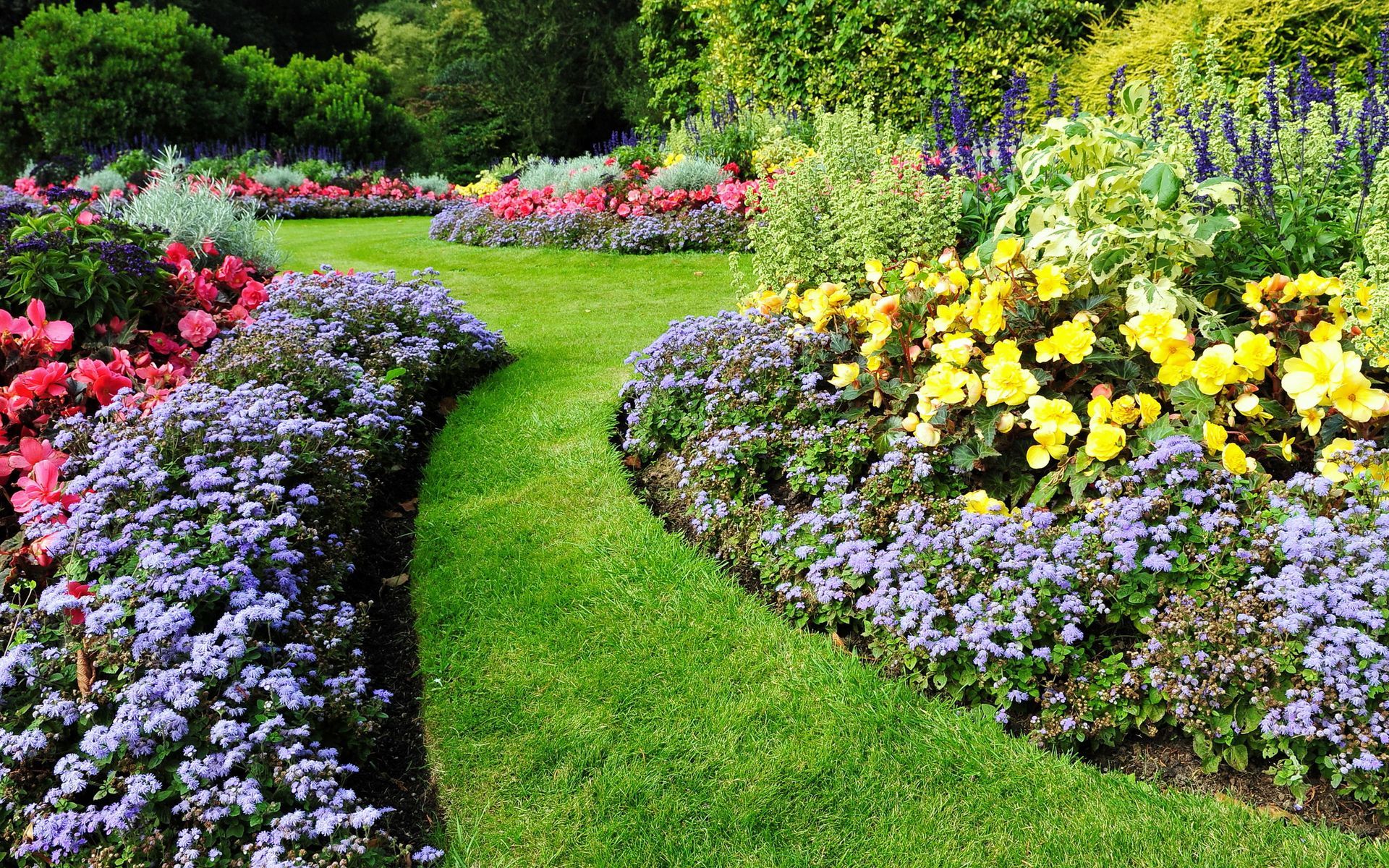
Choosing the right plants is the foundational step of any successful exterior project. A professional landscape designer is uniquely adept at evaluating local climate conditions to determine exactly which plant species will thrive, carefully considering historical temperature ranges, ambient humidity levels, and daily sunlight exposure across the property. This baseline expertise ensures that plants do not wither and die, saving homeowners from repetitive, frustrating, and unnecessary replacement expenses.
According to IBIS World, the landscape design industry has seen a steady economic increase with a compound annual growth rate (CAGR) of 3.6% over the past five years, underscoring the growing value property owners place on expert oversight. To maximize this investment, a landscape designer evaluates underground soil conditions to ensure absolute compatibility with selected vegetation. Routine on-site soil testing helps in understanding exact pH levels, natural drainage capacity, and underlying macronutrient availability. For a residential project to succeed long-term, a landscape designer must map out future growth expectations to prevent overcrowding, while simultaneously selecting highly resilient, native varieties that possess a natural pest and disease resistance. This careful architectural arrangement ensures that your garden remains visually cohesive, displaying balanced color palettes, rich textures, and staggered blooming seasons that reflect the homeowner's ultimate aesthetic vision.
2. Identifying Site Topography and Disregarding Drainage Issues
Proper drainage is a fundamental aspect of any sustainable yard layout, yet it is frequently ignored until a major storm causes severe property damage. An experienced landscape designer begins every new project with a comprehensive site assessment to identify existing low points, pooling risks, surface runoff patterns, and erosion vulnerabilities. Catching these structural challenges early protects your home's foundation, prevents basement flooding, and eliminates severe landscaping issues like subterranean root rot or sudden slope failures.
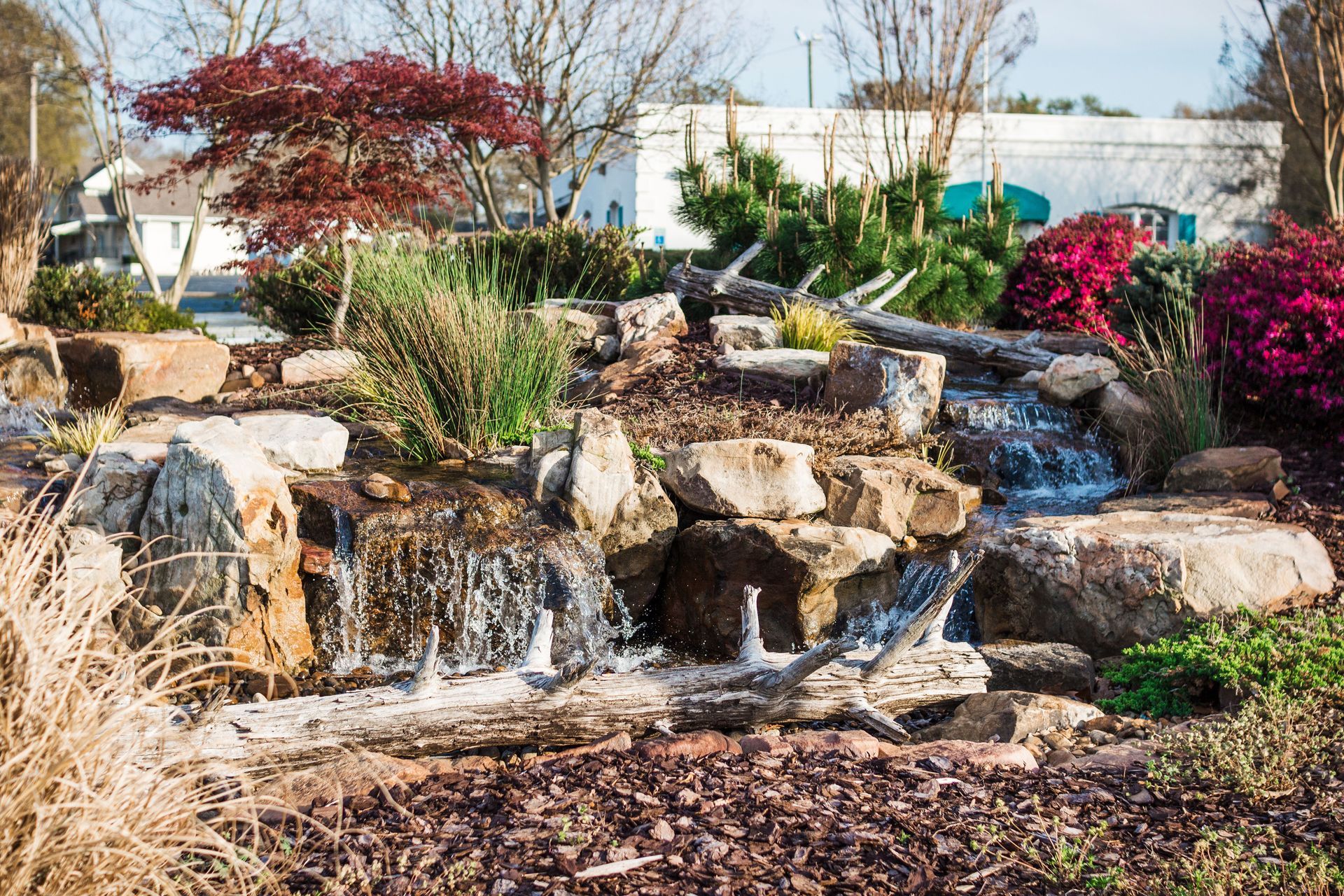
Once potential problem zones are mapped, effective solutions are custom-tailored to safely manage water flow across the property lines. Techniques such as installing concealed French drains, creating decorative rain gardens filled with moisture-loving plants, and contouring the property’s grading can be seamlessly employed. This intervention protects delicate plant roots from drowning and suffocation while ensuring long-term site stability against heavy seasonal rains. Homeowners benefit from a highly resilient outdoor environment that protects their broader architectural investments.
3. Engineering Outdoor Illumination and Mismanaging Lighting Systems
Lighting is a transformative factor in modern exterior styling, directly affecting both evening visual appeal and nighttime structural safety. A qualified landscape designer understands the importance of balancing natural sunlight with artificial low-voltage fixtures, strategically positioning elements to light walkways, silhouette trees, accent focal points, and eliminating dangerous dark spots. Improper fixture placement often leads to blinding glare or underlit spaces that compromise security.
Modern exterior planning places a heavy emphasis on energy-efficient illumination. Implementing automated LED systems and smart lighting technology allows homeowners to easily customize brightness levels and operational schedules through digital smartphone interfaces, transforming a dark yard into an enchanting, highly secure haven.
Additionally, thematic lighting design allows the garden space to adapt seamlessly to seasonal changes or special social gatherings, maximizing the utility of the property long after sunset.
4. Overlooking Hardscape Integration and Traffic Flow Layouts
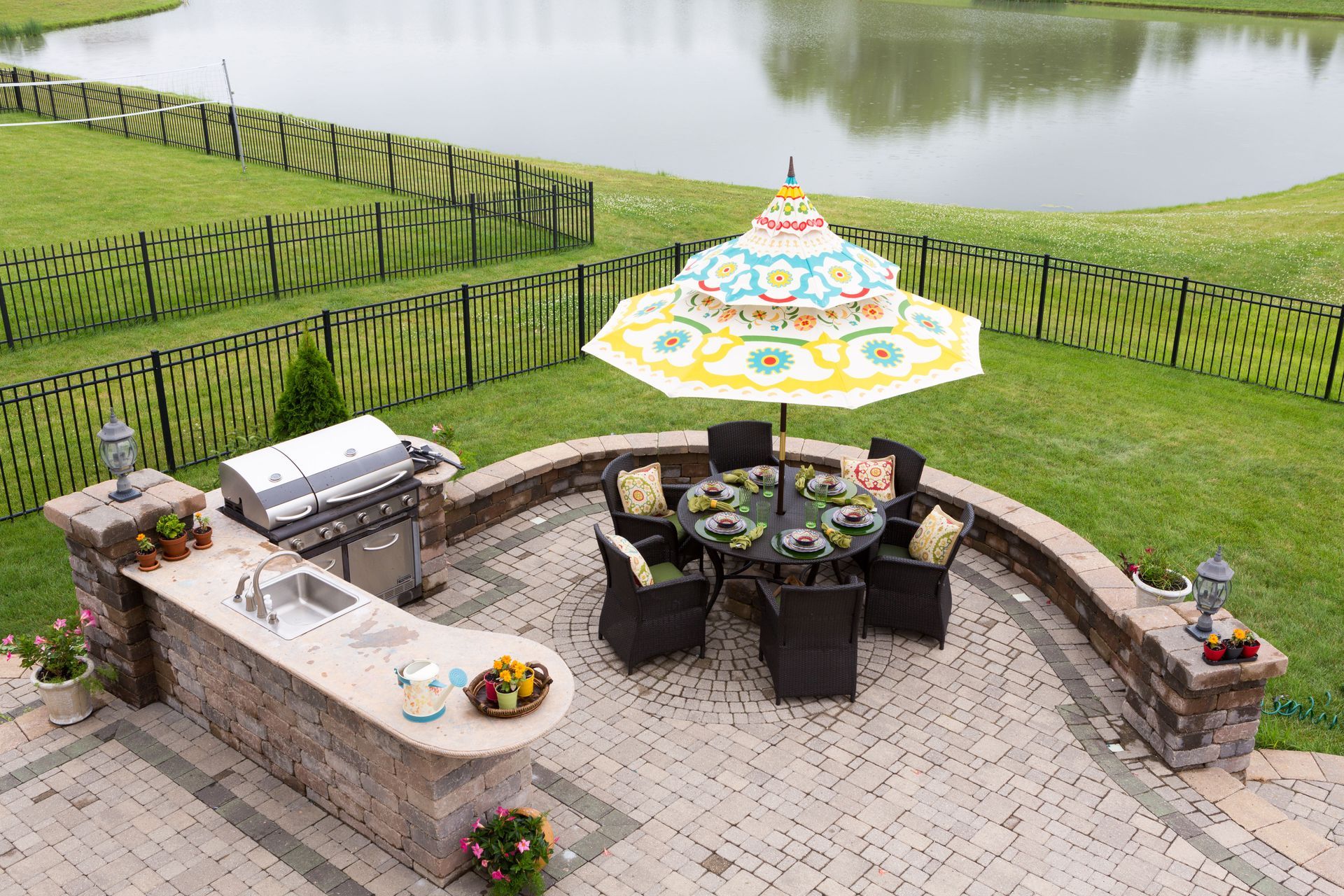
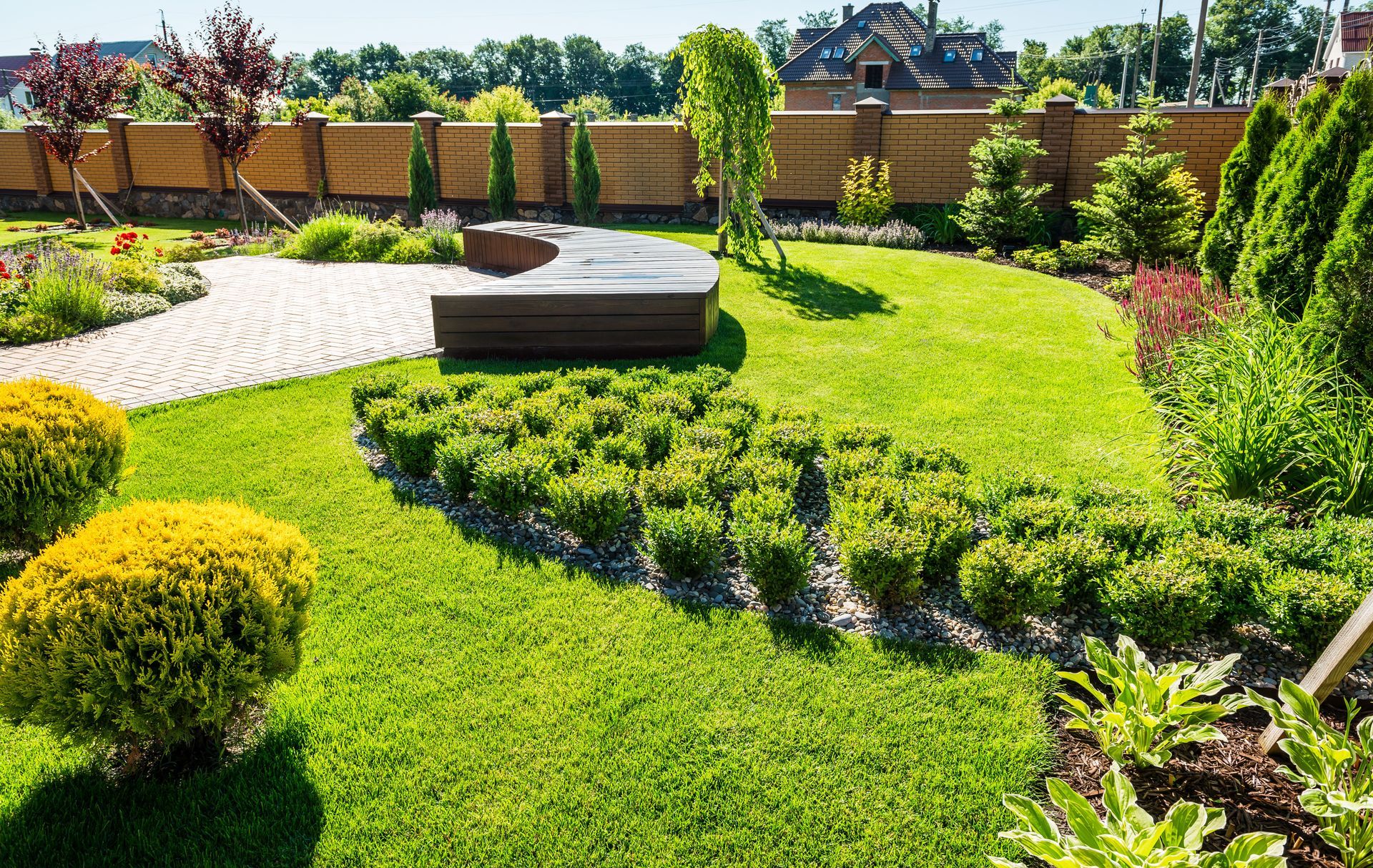
Integrating hardscape elements like stone, brick, or concrete with the natural environment is crucial for a unified and highly functional outdoor design. A landscape designer meticulously plans layouts to ensure logical pedestrian flow and comfortable spatial dimensions. Pathways, patios, outdoor kitchens, and retaining walls must be placed to complement the living softscape, seamlessly extending indoor living spaces to the outdoors while ensuring proper surface water runoff away from living areas.
Material selection directly dictates hardscape durability and aesthetic alignment. Professionals guide homeowners toward structurally sound stone, wood composites, or permeable paving options that stand up to regional freeze-thaw cycles. Striking this delicate balance prevents the yard from feeling over-cluttered, commercial, or stark, resulting in a balanced ecosystem. This thoughtful blend of living and non-living components creates dynamic visual interest, inviting regular usage while remaining fundamentally practical.
5. Neglecting Seasonal Changes and Ecological Dynamics
Ensuring that a yard appeals year-round requires careful plant choices that account for shifting seasonal cycles. Planning for continuous visual interest involves coordinating distinct bloom times, rich autumn foliage colors, and unique winter bark textures. Without this seasonal diversity, an outdoor space risks looking completely barren, uninviting, and messy for months at a time. A professional ensures that your garden transitions gracefully across all four seasons.
Climatic stressors require proactive structural adjustments. From tracking seasonal pruning schedules to selecting cold-hardy varieties, professional foresight mitigates winter weather risks. Furthermore, integrating native flora supports local biodiversity by attracting vital pollinators like bees, butterflies, and birds throughout the year. By designing with local wildlife in mind, the landscape becomes a lively, self-sustaining habitat that benefits both regional nature and the homeowner’s personal enjoyment.
6. Failing to Plan for Future Needs and Lifestyle Evolutions
A successful yard layout must be fluid enough to evolve alongside the homeowner’s changing lifestyle, financial constraints, and family dynamics. Spaces should be intentionally designed to accommodate future modifications, such as transitioning a children's grassy play zone into a quiet adult entertainment patio or an expansion of a vegetable garden down the road. Planning without this long-term foresight often results in restrictive layouts that require total demolition later.
Foresight also includes preparing for technological upgrades like automated smart irrigation loops, while strictly adhering to local environmental codes, water conservation rules, and legal zoning ordinances. This strategic financial and structural planning maximizes property resale value, prevents regulatory municipal fines, and ensures your outdoor investment remains functional, beautiful, and safe for decades to come. Partnering with a professional removes the daily guesswork, turning your long-term property dreams into a predictable, well-executed reality.
Enlisting a professional landscape designer saves both time and money by preventing common structural mistakes and creating a harmonious, sustainable outdoor environment. Effective planning incorporates a deep understanding of plant science, environmental drainage systems, and technological advancements. Trusting in experienced execution ensures an outdoor living area that continuously delights, adapts to your needs, and withstands the elements. To turn your property into a breathtaking, custom-tailored sanctuary designed to flourish for years to come, start your transformation by contacting Shelly Landscaping.