October 29, 2026
A backyard can be more than a place to admire from the kitchen window. With thoughtful planning, it can support family meals, quiet mornings, celebrations, gardening, and everyday relaxation without feeling crowded. The challenge is giving each activity enough room while maintaining a unified appearance.
Experienced professionals consider how people move, gather, and unwind outdoors. They also account for sunlight, drainage, privacy, and maintenance before choosing features. The result is a flexible setting where individual areas work together rather than competing for attention.
Creating Comfortable Gathering Areas
Defining Flexible Seating Zones
Seating areas provide a natural center for outdoor activity. A well-proportioned patio can accommodate conversation on ordinary evenings and additional guests during celebrations. Arranging furnishings around clear circulation routes helps people move comfortably without interrupting others who are relaxing.
Connecting Dining and Lounging
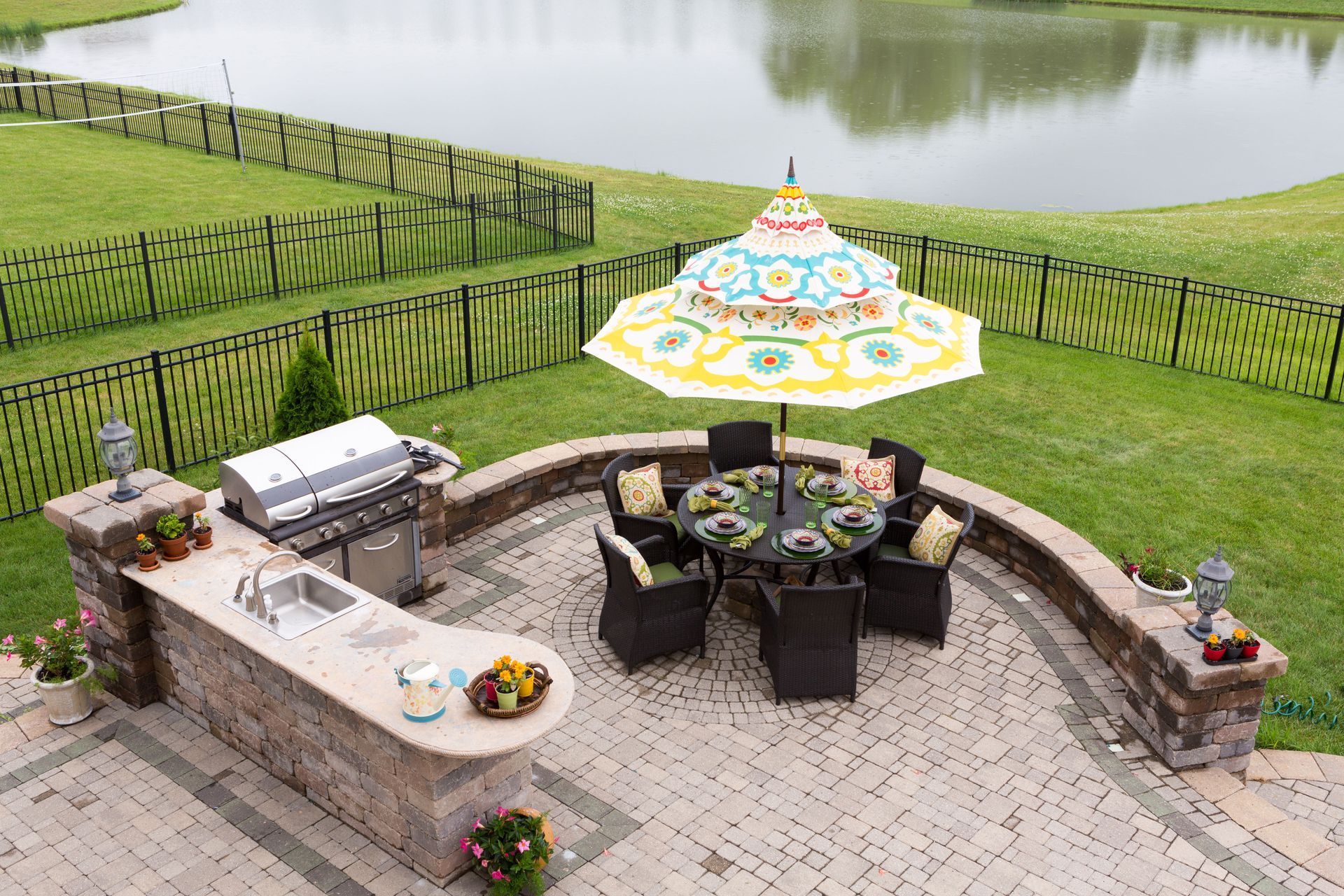
Dining and lounge spaces work particularly well when positioned near one another. Families can move between meals and casual conversation without crossing the entire yard. Coordinated paving materials and planting beds make these neighboring areas feel connected while preserving their separate purposes.
Accommodating Different Group Sizes
Outdoor spaces should feel welcoming whether two people are sharing coffee or a larger group is visiting. Landscape designers can plan adaptable seating arrangements and open areas that accommodate changing needs. This flexibility prevents a yard from feeling oversized during quiet afternoons or cramped during gatherings.
Balancing Openness and Shelter
Comfortable gathering spaces benefit from a balance of sunlight, shade, and protection from wind. Trees, pergolas, and strategically placed plantings can create more inviting conditions. Their placement should also preserve sightlines and avoid making nearby areas feel enclosed.
Creating Practical Dining Areas
Positioning Convenient Meal Spaces
An outdoor dining area becomes more useful when access from the house is straightforward. Short routes between the kitchen and table make carrying food and dishes easier. The location should also allow enough room for chairs, circulation, and comfortable movement around the table.
Supporting Multiple Outdoor Activities
Modern yards increasingly serve several purposes at once. According to Houzz's 2026 outdoor research, 83% of renovated outdoor spaces featured seating or lounging areas, 55% provided places to dine, 53% offered quiet retreats or reading spots, and 49% included gardening areas. These findings reflect how homeowners value variety.
Integrating Durable Surface Materials
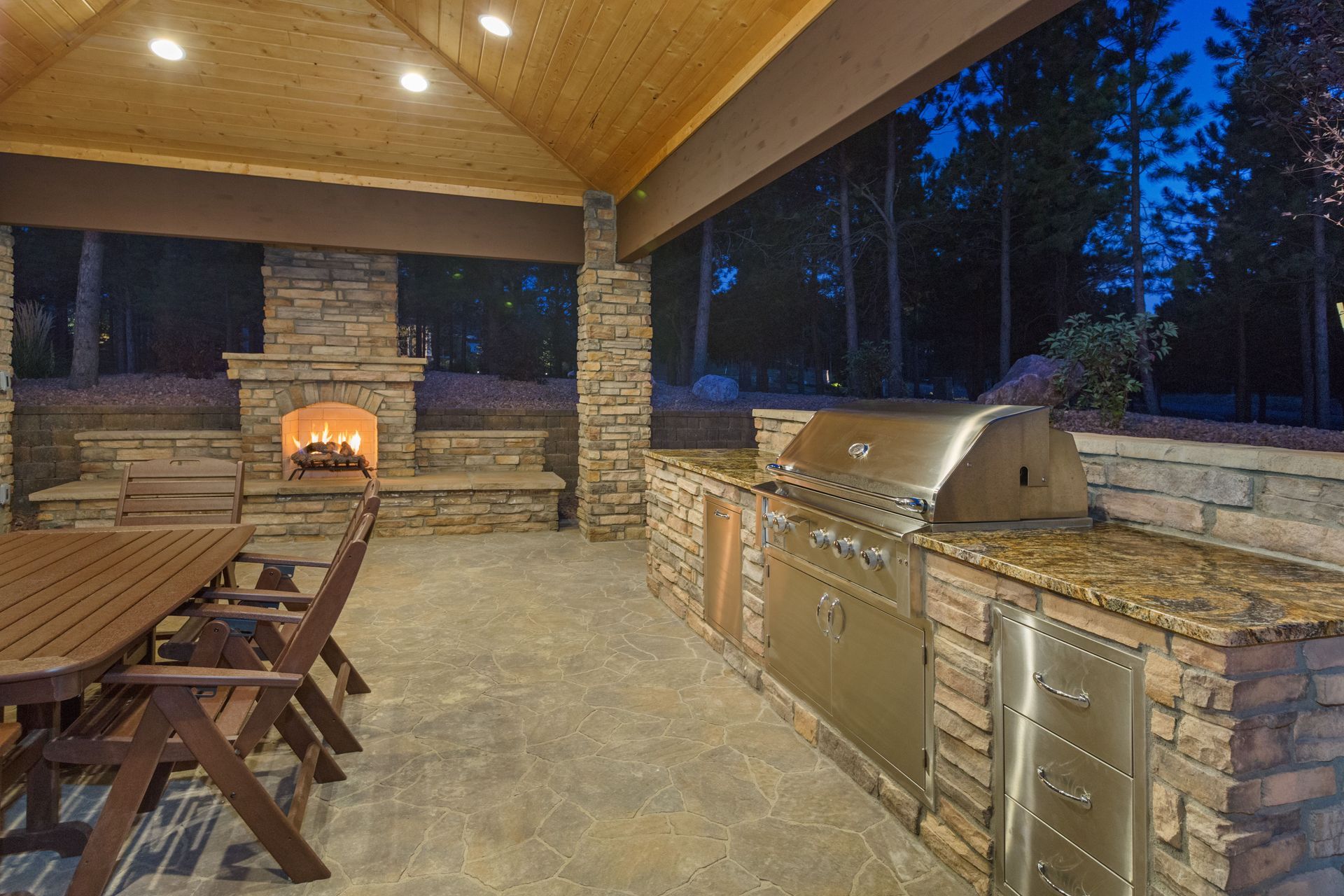
Dining surfaces must accommodate furniture, foot traffic, and exposure to changing weather. Materials should suit the home's appearance while providing stable footing and manageable upkeep. Coordinating hardscape finishes with adjacent paths creates visual continuity throughout the property.
Considering Evening Dining Comfort
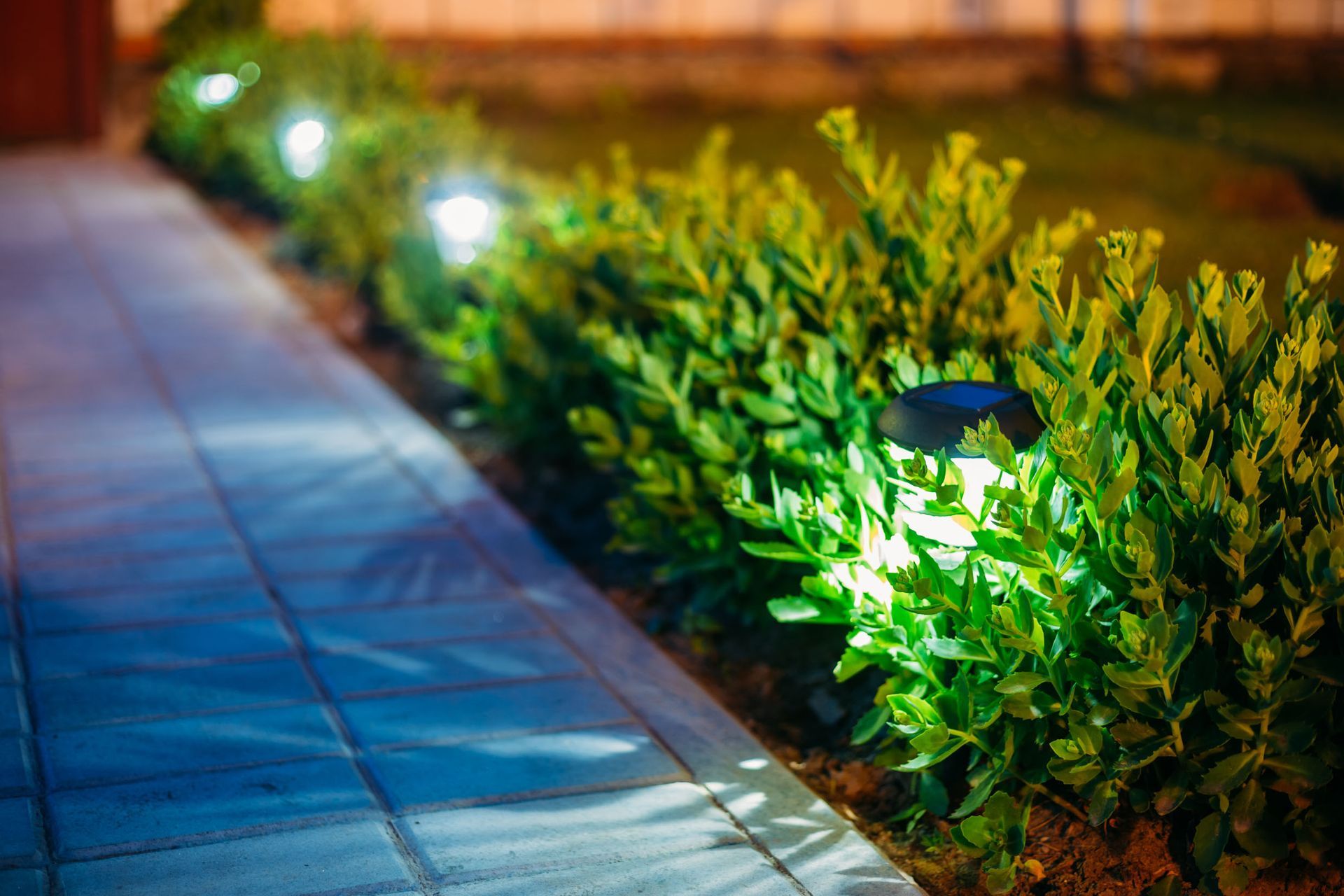
Lighting extends the usefulness of an outdoor dining area beyond daylight hours. Subtle illumination near tables and walking routes improves visibility without overwhelming the atmosphere. Landscape designers can coordinate lighting with plantings and seating so the space remains pleasant after sunset.
Creating Peaceful Personal Retreats
Separating Quiet Seating Corners
Not every outdoor activity needs to happen near the main patio. A small seating nook can offer a welcome alternative for reading, reflection, or private conversation. Its location should provide a sense of separation without making the area difficult to reach.
Using Plantings for Privacy
Shrubs, ornamental grasses, and layered plantings can soften views from neighboring properties. Rather than relying entirely on solid barriers, carefully chosen vegetation introduces texture and seasonal interest. Mature size and maintenance needs matter when selecting plants for smaller retreats.
Managing Sunlight Throughout the Day
A comfortable morning retreat may need different exposure than a space intended for late afternoon. Observing how sunlight changes across the yard informs the placement of seating and shade features. Landscape designers consider these patterns so quiet areas remain inviting when homeowners are most likely to use them.
Reducing Everyday Distractions
Distance from busy gathering spaces can make a retreat feel more peaceful. Planting beds, gentle changes in elevation, and thoughtfully placed features help distinguish quieter zones. The goal is not complete isolation, but a comfortable transition between social and personal activities.
Creating Productive Garden Spaces
Incorporating Accessible Planting Beds
Gardening can coexist with entertainment and relaxation when beds are positioned with convenient access in mind. Raised planters or defined planting areas may make routine care more comfortable. Their arrangement should preserve walking space and prevent gardening activities from obstructing other uses.
Choosing Plants for Local Conditions
Sun exposure, soil characteristics, moisture, and seasonal temperatures influence plant performance. Landscape designers can recommend plant combinations suited to the site and the homeowner's preferences. Appropriate selections help gardens remain attractive without demanding unrealistic levels of attention.
Blending Beauty With Function
Garden areas need not look separate from the rest of the property. Edible plants, flowering perennials, and ornamental shrubs can contribute color and texture near seating areas. Thoughtful placement allows productive planting spaces to enhance the overall outdoor composition.
Planning for Seasonal Changes
A multifunctional yard should remain visually appealing beyond its peak growing season. Evergreen structure, varied bloom times, and durable hardscaping provide interest throughout the year. Planning for seasonal changes also helps homeowners anticipate how much care different areas will require.
Creating Smooth Connections Between Zones
Establishing Clear Walking Routes
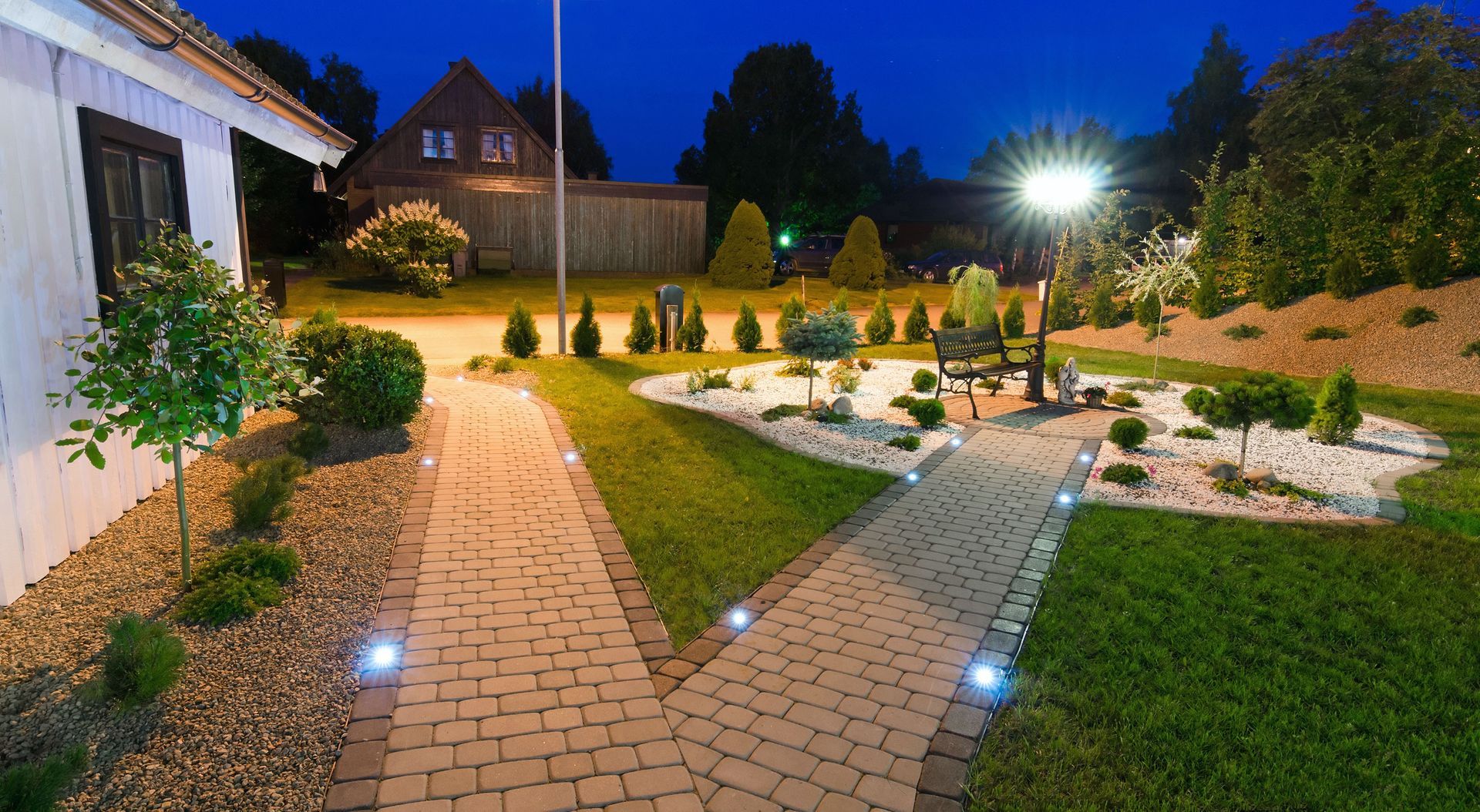
Paths connect patios, gardens, and private retreats into a usable whole. Routes should feel intuitive and provide sufficient space for comfortable movement. Direct connections can make smaller properties feel more efficient, while gentle curves may suit larger, more naturalistic settings.
Coordinating Materials and Colors
Repeating selected materials across different areas creates a consistent visual language. Similar stone tones, edging details, or planting palettes help distinct spaces feel related. Landscape designers use these connections to support variety without allowing the yard to appear fragmented.
Preserving Open Movement Areas
Every feature occupies valuable space, so a yard benefits from breathing room between destinations. Open lawn or flexible paved areas can support play, temporary seating, or informal activities. Leaving appropriate clearances also makes everyday movement more comfortable.
Guiding Attention With Landscaping
Planting beds and changes in texture can subtly indicate where one activity ends and another begins. These visual cues organize the property without requiring walls or fences everywhere. The resulting transitions feel natural rather than rigid.
Creating Long-Term Outdoor Flexibility
Anticipating Changing Household Needs
Outdoor priorities may shift as children grow, work routines change, or entertaining habits evolve. Flexible layouts make it easier to repurpose spaces without extensive reconstruction. Landscape designers can help homeowners consider future possibilities while meeting present needs.
Prioritizing Manageable Maintenance
A beautiful yard is more enjoyable when upkeep matches the household's available time. Plant choices, irrigation requirements, and surface materials all influence ongoing care. A realistic maintenance approach protects both usability and appearance over the long term.
Addressing Drainage and Durability
Outdoor features must withstand rainfall, temperature changes, and regular use. Proper grading and suitable construction materials support reliable performance. Addressing these practical concerns during planning helps reduce disruptions that could limit how often spaces are enjoyed.
Allowing Room for Future Features
Homeowners may eventually want additional seating, play areas, or garden beds. Preserving adaptable portions of the yard makes those changes easier to consider. Landscape designers can balance today's finished appearance with tomorrow's possibilities.
A successful multifunctional yard feels comfortable, connected, and suited to everyday life. Gathering areas, dining spaces, quiet retreats, and gardens each contribute something different, but careful planning makes them work as one environment. The strongest designs also accommodate changing seasons and household priorities.
Ready to make more of your outdoor space? Contact Shelly Landscaping today to discuss a personalized landscape plan that brings your favorite activities together while complementing your property.