July 27, 2026
In today's fast-paced world, the importance of a beautifully landscaped garden cannot be overstated. This article explores the transformative power of professional landscaping services, showcasing how they can turn mundane spaces into radiant retreats. With the incorporation of both aesthetic and functional elements, landscaping has evolved into a crucial aspect of home and community development. Professionals in this field ensure that each element of a landscape meets both the client's vision and environmental sustainability. As our society grows more conscious of ecological impacts, the demand for expert landscaping services continues to rise, offering boundless opportunities for transformative outdoor living spaces.
Understanding the Basics of Landscaping
Defining Landscaping and Its Importance
Landscaping is the art and science of modifying the natural environment to enhance its beauty and usability. It involves the systematic planning and designing of outdoor spaces to create a harmonious and appealing aesthetic. The importance of landscaping extends beyond mere visual appeal—it also improves the environment, increases property values, and promotes well-being. Well-designed landscapes can mitigate the urban heat island effect, reduce energy costs through natural cooling, and even improve air quality. Whether in residential or commercial settings, landscaping plays a pivotal role in enhancing the quality of life for individuals and communities alike.
The importance of landscaping is evident in various aspects of daily life and community health. Landscaped areas have been shown to reduce stress, encourage outdoor activities, and improve mental health by providing serene environments for relaxation and social interactions. Community gardens and parks exemplify how landscaping can foster community engagement and connectivity. Additionally, businesses have recognized the competitive edge a beautifully landscaped property can provide, attracting more customers and creating inviting spaces for employees. Consequently, the field of landscaping has become integral to urban planning and sustainable development efforts worldwide.
One of the lesser-known advantages of landscaping is its potential to significantly impact energy efficiency. Trees and plants strategically placed can provide shade, acting as natural air conditioners during hot months and windbreaks during colder months. For example, deciduous trees can cool homes in the summer while allowing sunlight in during winter. Moreover, dense vegetation can buffer noise pollution, creating a more peaceful living environment. Therefore, investing in professional landscaping services not only enhances a property's visual appeal but also contributes to its energy efficiency and sustainability.
The Role of a Professional Landscaper
Professional landscapers are skilled individuals who bring a wealth of knowledge, expertise, and creativity to transform outdoor spaces. They are trained to analyze the land, understand client needs, and incorporate environmental best practices into their designs. By doing so, they ensure that the client's vision is achieved while also considering factors such as sustainability, climate, and local ecology. Their role extends beyond just the initial design; they oversee the entire process, from conceptualization to implementation, ensuring each element aligns with the overall aesthetic and functional goals. A professional landscaper is an essential partner in the journey to creating an outdoor space that is both beautiful and practical.
In addition to their creative and technical roles, professional landscapers are also adept at project management. They coordinate with various stakeholders, including architects, contractors, and suppliers, to ensure the project's smooth execution. Landscapers must also manage timelines and budgets, adjusting plans as necessary to accommodate unforeseen challenges or changes in client preferences. Their ability to balance these multiple responsibilities is crucial in delivering a seamless and successful landscaping project. Furthermore, their expertise in selecting appropriate plants, materials, and construction techniques ensures the landscape's longevity and sustainability.
Landscapers play a pivotal role in educating clients about best practices and innovative solutions in landscape design. They offer insights into the latest trends and technologies, such as water-efficient irrigation systems and eco-friendly materials, which can enhance the landscape's functionality and sustainability. For example, they may suggest incorporating cooking fixtures, which hold the largest share in the Outdoor Kitchen Market at approximately 32%, to create an engaging and functional outdoor living experience. By staying abreast of industry developments, landscapers can provide clients with cutting-edge solutions that enhance both the aesthetic and environmental value of their spaces. Ultimately, their expertise ensures that each project reflects the client's unique style while also contributing positively to the environment.
Key Components of Effective Landscaping
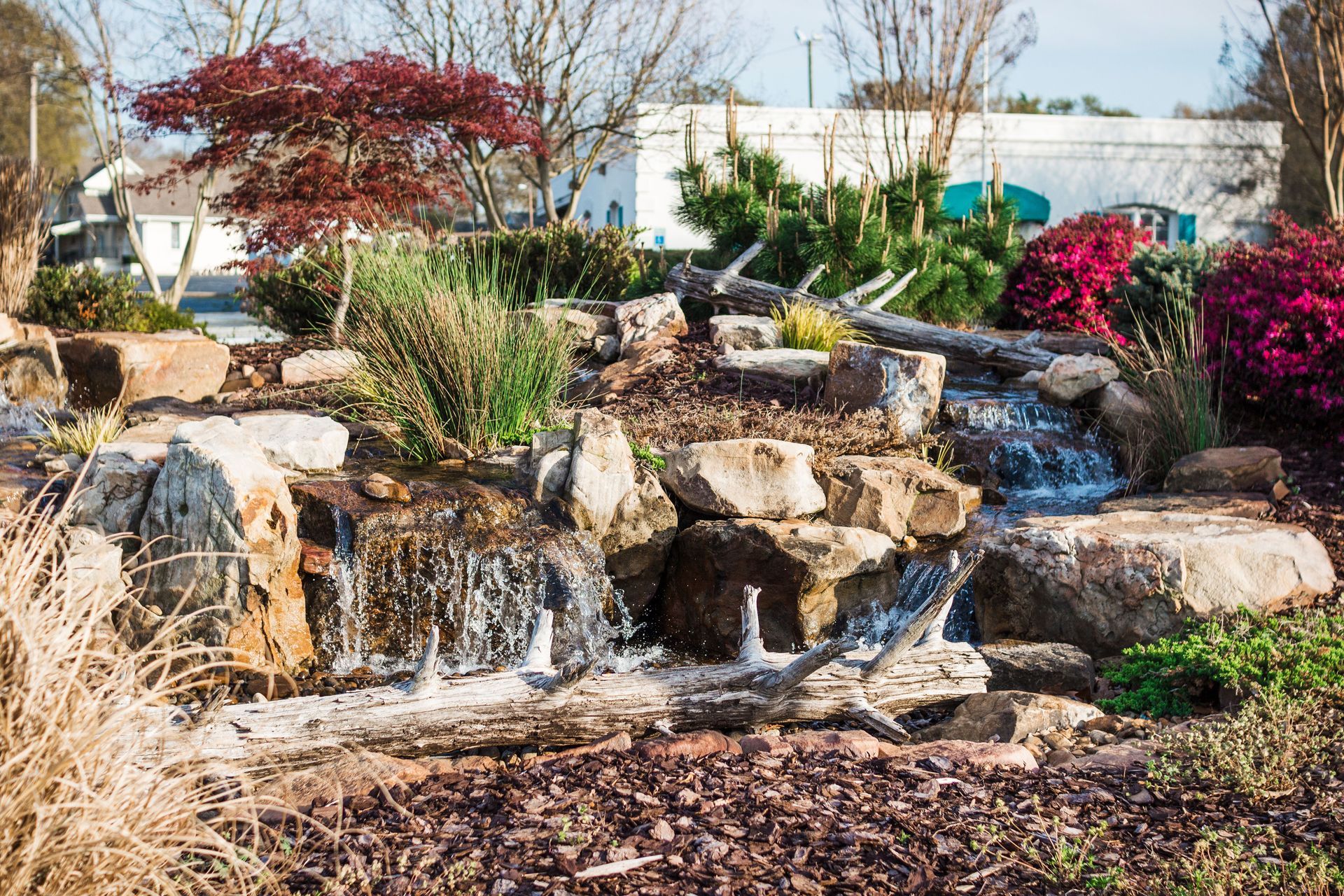
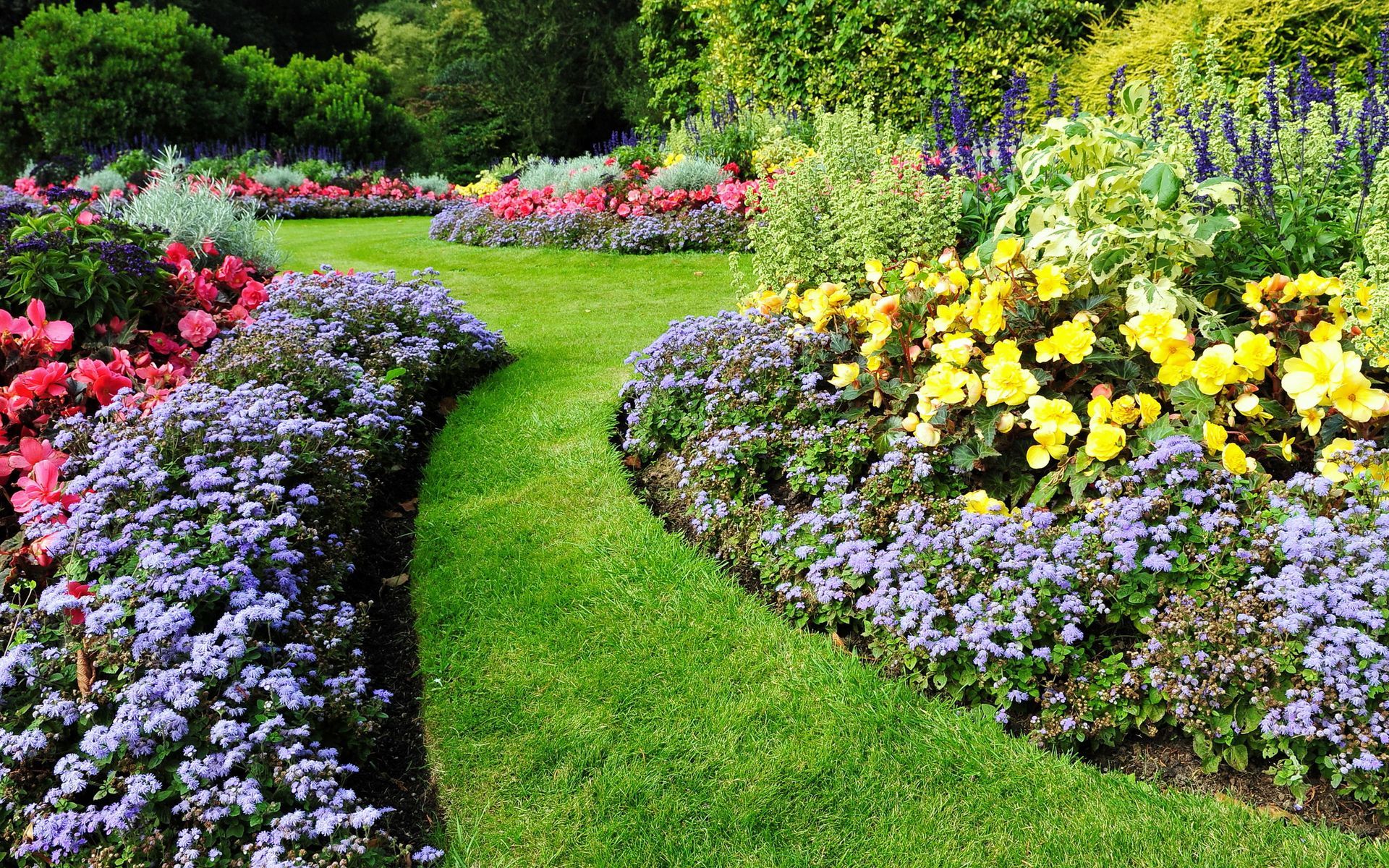
Effective landscaping hinges on a balanced combination of various components, including hardscapes, softscapes, water features, and lighting. Hardscapes, such as patios, pathways, and retaining walls, provide structure and durability to the landscape, enhancing its functionality and accessibility. Softscapes, which include plants, trees, and grass, offer visual appeal and environmental benefits such as air purification and shade. Incorporating water features, like ponds and fountains, can introduce a sense of tranquility and relaxation to the space. Meanwhile, thoughtful lighting choices can accentuate the landscape's elements, creating dramatic effects and increasing its usability after dark.
Another crucial aspect of effective landscaping is the careful selection of plants and materials that are appropriate for the local climate and soil conditions. According to Fortune Business Insights, cooking fixtures hold the largest share in the Outdoor Kitchen Market at approximately 32%. Native plants are often favored for their ability to thrive with minimal maintenance and their positive impact on local biodiversity. Additionally, choosing the right materials for hardscapes, such as sustainably sourced wood or recycled concrete, can enhance the landscape's ecological value. Landscapers must also consider factors such as color, texture, and scale when selecting plant species and arranging design elements. These careful considerations ensure that the landscape is not only visually pleasing but also resilient and sustainable.
Sustainability and environmental stewardship are becoming increasingly important components of effective landscaping. Implementing practices such as rainwater harvesting, composting, and integrated pest management can significantly reduce the landscape's environmental footprint. Landscapers are now incorporating modern technological solutions, such as smart irrigation systems and solar-powered lighting, to further enhance the landscape's eco-friendliness. Moreover, creating habitats for local wildlife and using pollinator-friendly plants can contribute to local conservation efforts. By focusing on sustainability, professional landscapers offer clients landscapes that are not only beautiful but also resilient and in harmony with nature.
Initial Assessment and Planning
The initial assessment and planning phase is critical in the landscaping process, as it sets the foundation for the entire project. During this phase, landscapers conduct a thorough site analysis, considering factors such as soil quality, drainage, sun exposure, and existing vegetation. They also discuss the client's preferences, needs, and budget to develop a design brief that aligns with the project's goals. This stage involves close collaboration with the client to ensure that their vision is accurately captured and reflected in the final design. Detailed site plans and sketches are created, providing a visual representation of the proposed design and facilitating informed decision-making.
Effective planning involves not only addressing current needs but also anticipating future maintenance and potential expansion. Landscapers advise clients on how to maintain their landscapes over time, offering guidance on tasks such as pruning, fertilizing, and seasonal adjustments. Additionally, they discuss financial considerations, outlining cost estimates for the design, implementation, and long-term upkeep of the landscape. Budgeting is a crucial aspect of the planning phase, as it helps prioritize elements and ensures the client receives maximum value for their investment. Clear communication and transparency during this phase are key to building trust and ensuring client satisfaction. Be sure to reach out to Shelly Landscaping today to learn more about our professional landscaping service!